
A Guide to a Lift Station's Work
A lift station plays a critical role in modern wastewater management by moving sewage from lower elevations to higher ground when gravity alone is not enough. Commonly used in residential, commercial, and municipal systems, a lift station ensures that wastewater continues flowing toward treatment facilities efficiently.
Explain The Purpose Of A Lift Station
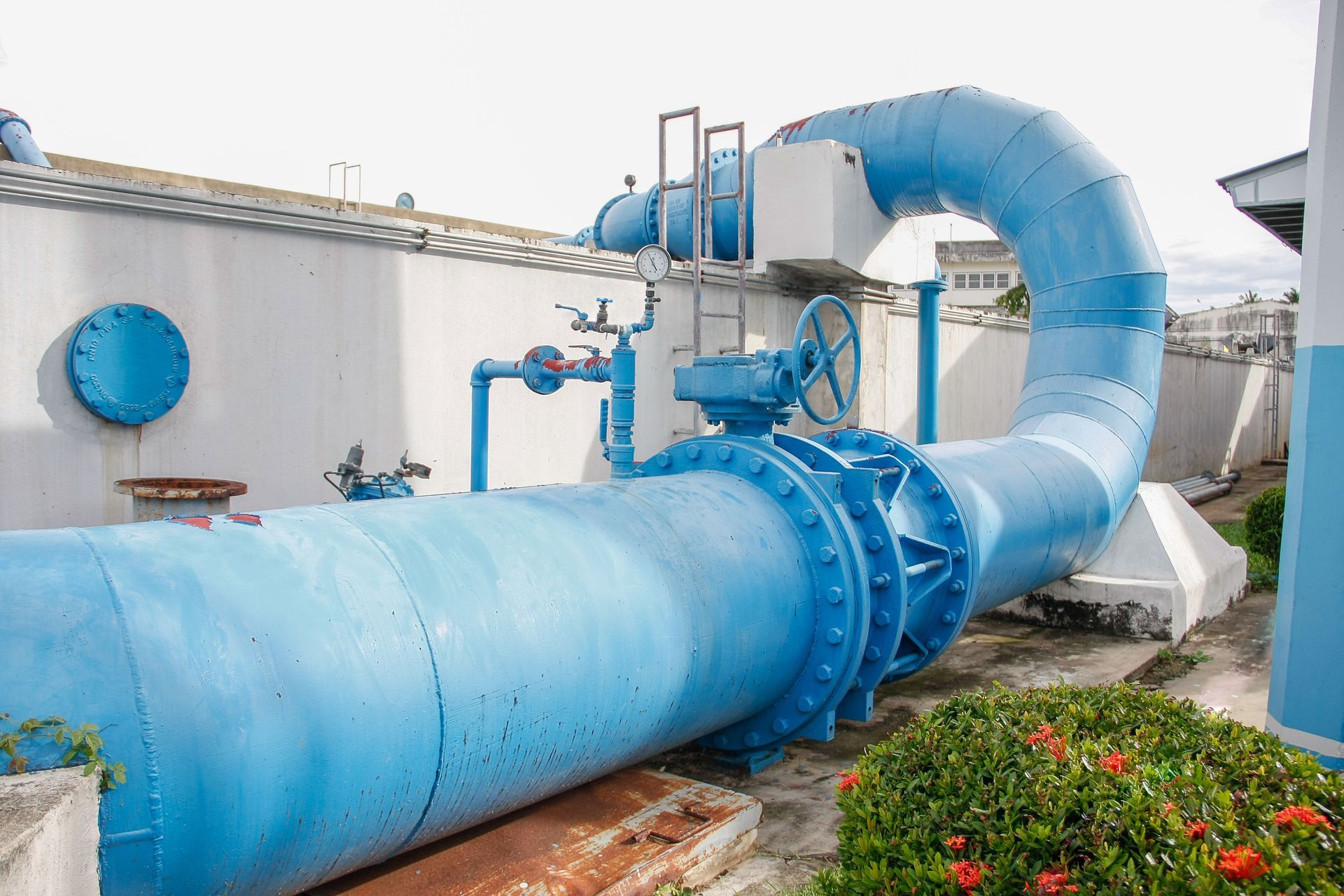
A lift station is designed to transport wastewater from areas where a natural slope is insufficient. When plumbing systems cannot rely on gravity, a lift station steps in to move waste through pressurized pipes. This makes it essential in flat landscapes or developments built below the main sewer line.
Describe The Main Components Of A Lift Station
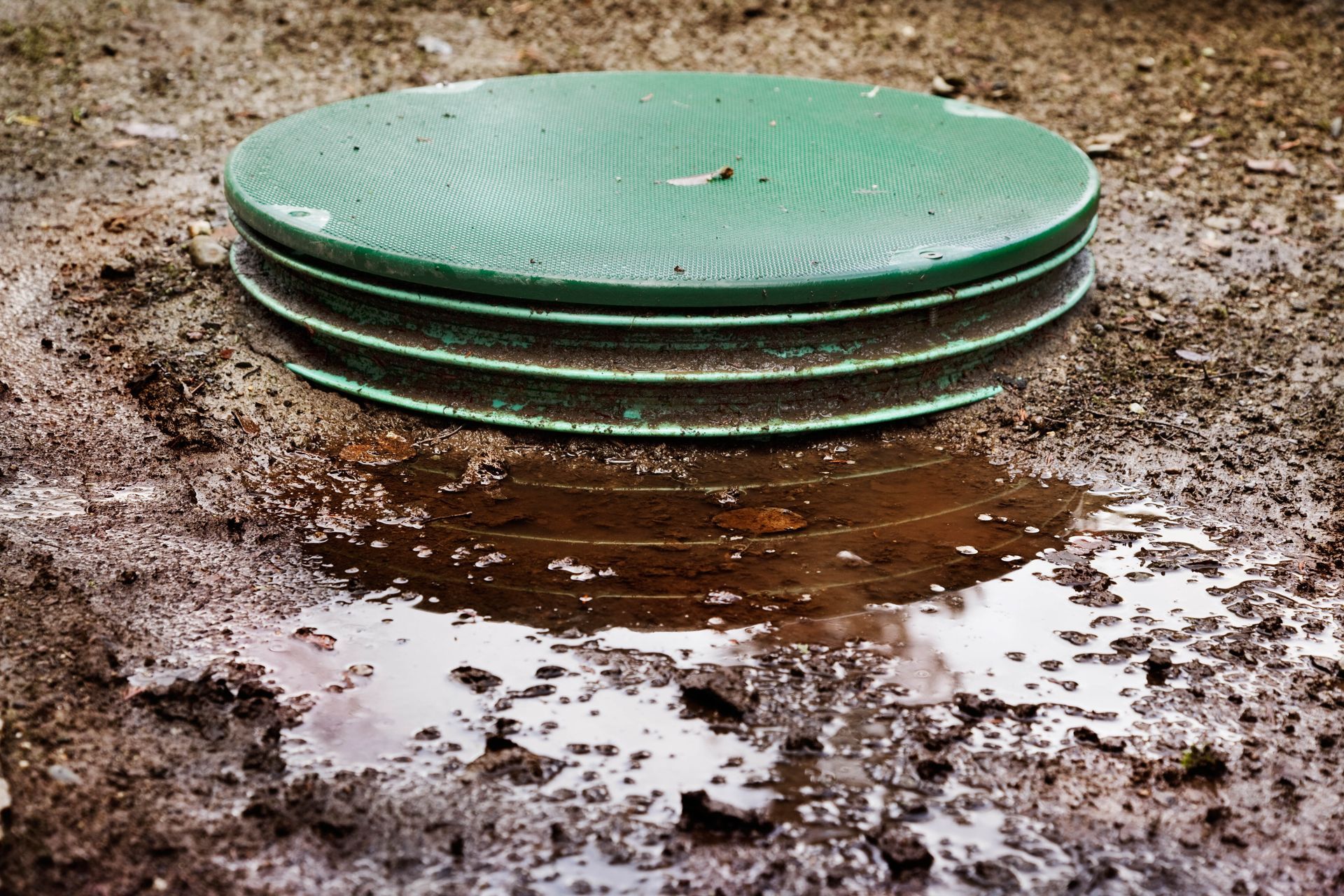
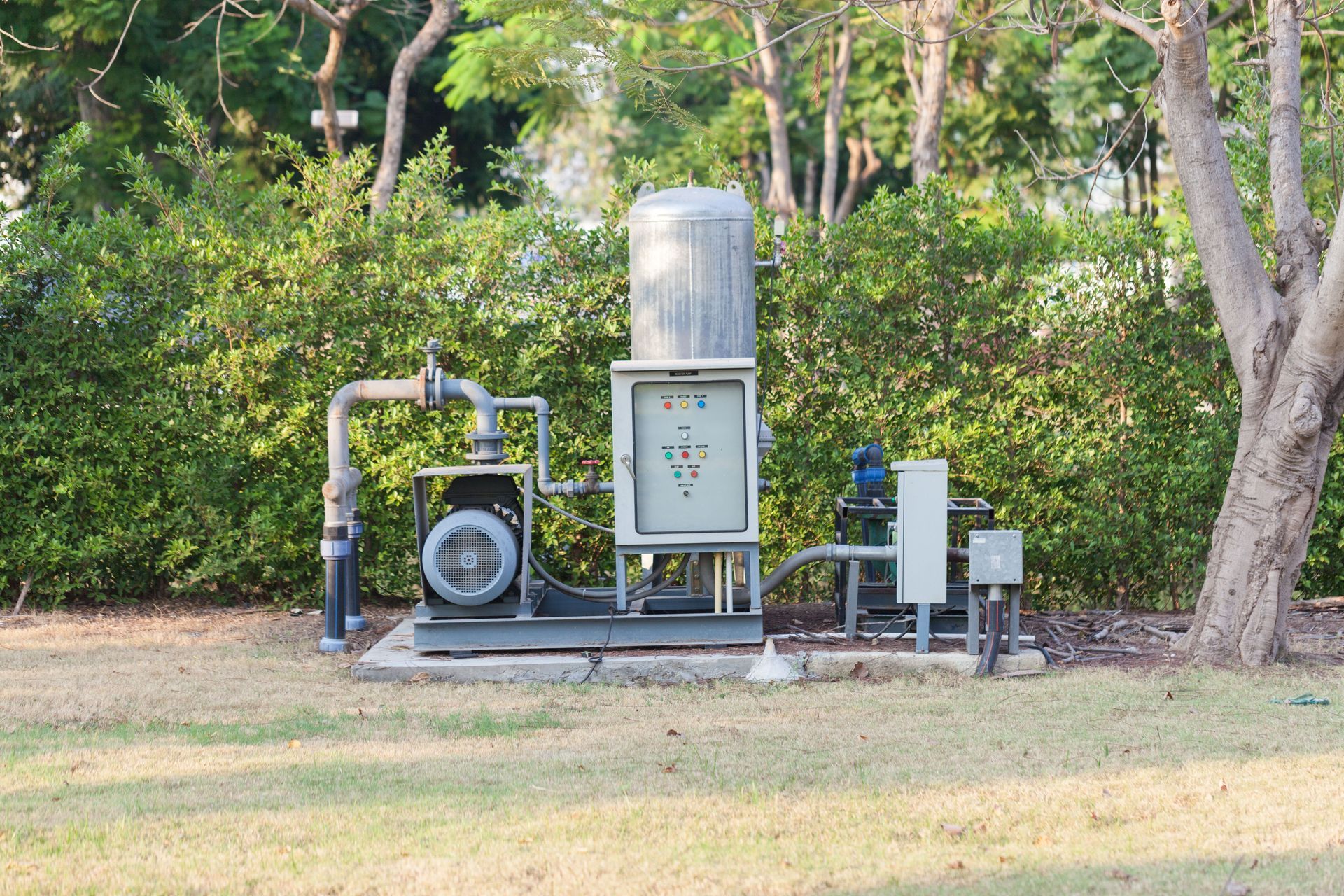
Every lift station includes key components that work together seamlessly. These typically include a wet well where wastewater collects, pumps that move the waste, and control panels that manage operation. Each element ensures the system functions efficiently and responds to changing water levels.
Outline How A Lift Station Operates
As wastewater enters the wet well, the level rises until it triggers the pumps. The lift station then moves the wastewater through pipes to a higher elevation. According to Contractor Magazine, pump stations usually employ at least two pumps for redundancy, alternating between the lead and lag roles to ensure both efficiency and reliability.
Highlight The Importance Of Regular Maintenance
Routine maintenance is essential to keep a lift station operating effectively. Inspections help identify wear, debris buildup, or mechanical issues before they escalate. Keeping components clean and functioning properly reduces the risk of failure and extends the system’s lifespan.
Identify Common Issues In Lift Stations
Like any mechanical system, a lift station can face challenges. Blockages, pump failures, and electrical issues are among the most common problems. Addressing these concerns quickly helps prevent backups and costly repairs while maintaining system reliability.
Emphasize The Role Of Professional Services
Working with professionals ensures that a lift station is installed, inspected, and maintained correctly. Experienced technicians understand system requirements and can provide solutions tailored to specific needs, helping maintain efficiency and long-term performance.
A lift station is an essential part of wastewater infrastructure, ensuring that sewage moves efficiently even when gravity cannot do the job alone. If you want dependable support for your system, we at Consta Flow are here to help with solutions designed to keep your operations running smoothly.

Share On: