
Understanding the Costs of a Lift Station Service and Installation
This article aims to provide a comprehensive overview of the various costs associated with the service and installation of lift stations, which play a crucial role in wastewater management systems. We'll explore the factors that influence costs, key considerations for budgeting, and strategies to optimize expenses. A deeper understanding of these aspects helps stakeholders make informed decisions that enhance the efficiency and cost-effectiveness of wastewater infrastructure. With the increasing need for sustained community support services, grasping the financial implications of lift station installations becomes imperative. Ultimately, the goal is to offer insights that guide effective financial planning and implementation for lift stations.
1. Overview of Lift Station Functionality and Its Importance
1.1 Definition and Purpose of Lift Stations
Lift stations, also known as pump stations, are critical components of wastewater management systems, designed to move wastewater from lower to higher elevations. This functionality is essential where gravity flow is insufficient for the transport of sewage materials to treatment plants. Without lift stations, wastewater collection systems would face operational challenges, potentially leading to system failure and public health risks. The primary purpose is thus to facilitate efficient sewage conveyance over significant distances and varying topographies. Ensuring these stations function correctly is vital to maintaining the integrity of sewage infrastructure.
1.2 How Lift Stations Operate in Wastewater Systems
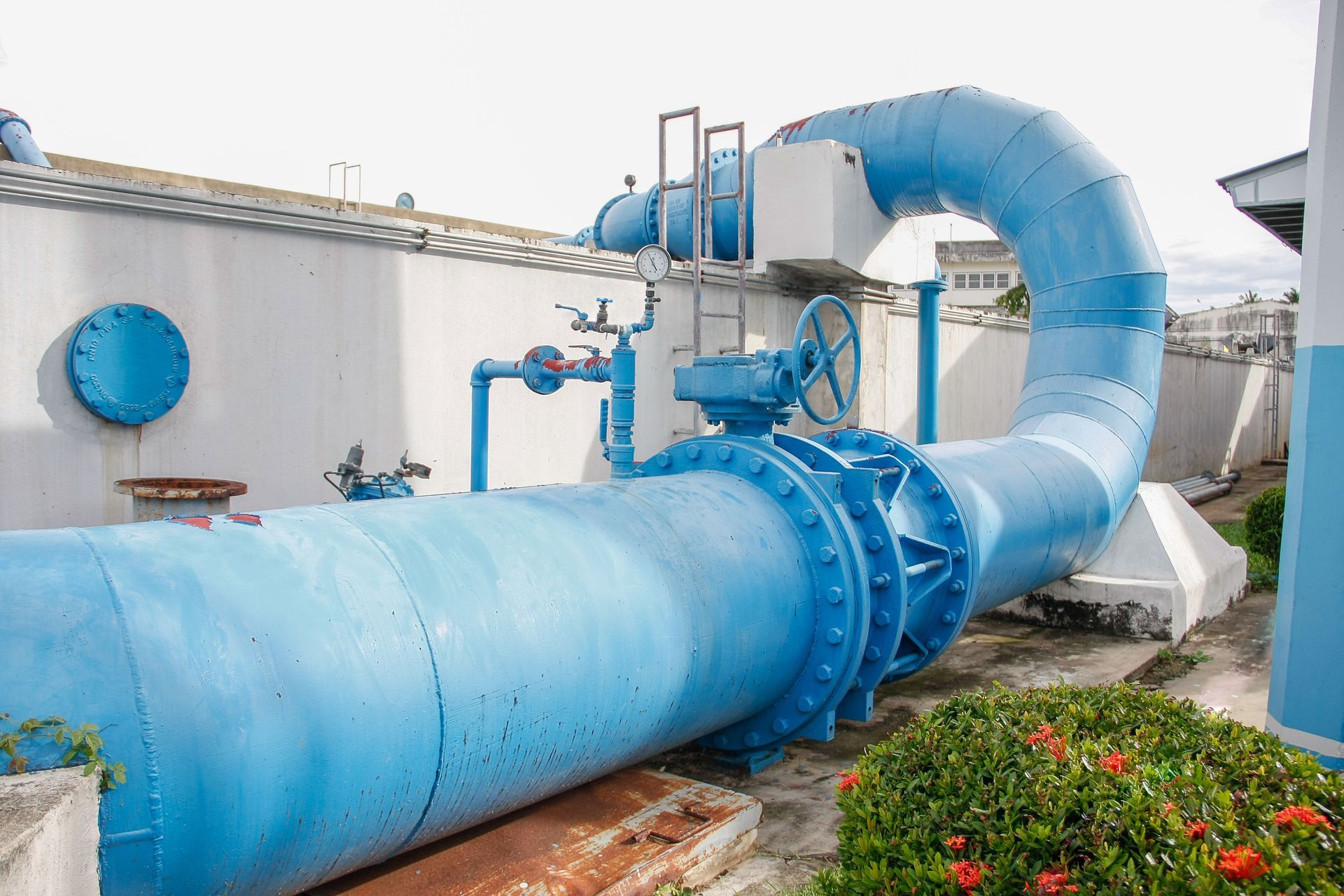
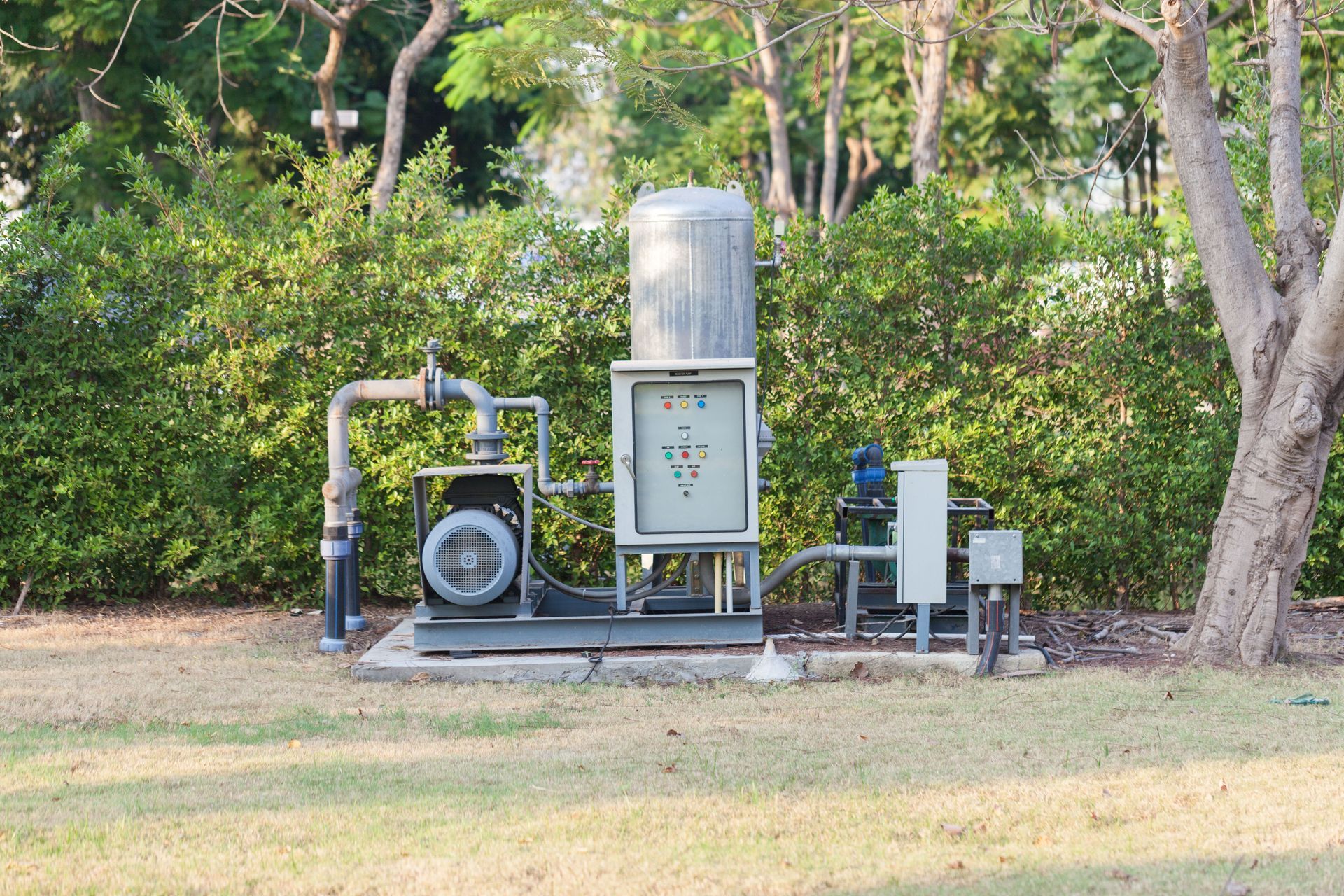
Lift stations typically comprise pumps, valves, and electrical equipment designed to handle the wastewater load. These components work in unison to elevate sewage from a lower elevation to a higher elevation where gravity flow can continue. Float systems or sensors often regulate pump operation by detecting rising wastewater levels, initiating pump activity when necessary. Such an automated approach is crucial in preventing overflow and ensuring seamless operation across various system components. The effectiveness of lift stations directly impacts the overall efficiency of wastewater management systems.
1.3 Benefits of Properly Installed Lift Stations
The installation of a lift station provides numerous benefits to wastewater management systems, chiefly ensuring that sewage is efficiently transported to treatment facilities. Properly installed lift stations reduce the risk of blockages and overflows, which can have detrimental impacts on the environment and public health. Additionally, they offer flexibility in infrastructure design, allowing for the expansion of sewage networks beyond geographical constraints. When installed with modern technology, lift stations can also provide energy-efficient operation, leading to reduced operational expenses. The cumulative advantages underscore the importance of investing in quality lift station installations.
1.4 Types of Lift Stations
Various types of lift stations exist, each tailored for specific applications based on capacity and sewage characteristics. Smaller systems might use submersible pumps designed for residential or small-scale applications, while larger installations require dry-pit configurations with significant pumping power. Sophisticated lift stations can handle substantial volumes, often exceeding 100,000 gallons per minute in complex municipal systems. According to Water Level Controls, depending on capacity and complexity, installation prices of sewage lift stations can range from $150,000 (20 gpm) to $1.5 million (100,000 gpm). Careful selection based on application requirements is key to realizing efficiency and cost-effectiveness.
1.5 Regulatory Compliance and Safety Standards
Regulatory compliance is a critical aspect of lift station installation and operation, governed by local, state, and federal guidelines to ensure public safety and environmental protection. Adhering to established standards promotes operational safety and reliability, minimizing risks associated with equipment failure or leakage. Furthermore, maintaining compliance often necessitates regular updates of both infrastructure and operational protocols to align with evolving regulatory frameworks. Noncompliance can result in legal liabilities and substantial financial penalties, underscoring the importance of integrating compliance into planning and operation processes. Leveraging compliance strategies can ultimately enhance operational efficiency while mitigating risk.
2. Initial Installation Costs
2.1 Selecting Suitable Equipment and Materials
The cost and success of a lift station installation heavily depend on selecting appropriate equipment and materials tailored to project specifications. Factors such as flow rate, pump type, and material durability are crucial in determining initial investment. While upfront costs can be considerable, selecting high-quality components can lead to reduced maintenance expenses and prolonged equipment life. Often, the selection process requires detailed analysis and consultation with engineering experts to match equipment capabilities with project demands. By investing in premium solutions, stakeholders can achieve long-term cost savings through minimized repairs and optimal operation.
2.2 Site Preparation and Construction Expenses
Site preparation is a fundamental aspect of lift station installation that can significantly affect overall project costs. This phase involves ground excavation, site grading, and laying of foundational structures needed to support heavy equipment. Construction expenses may vary based on geographical location, environmental conditions, and site-specific challenges such as rocky terrain or high water tables. Comprehensive site analysis and planning are necessary to anticipate and mitigate potential cost overruns. By addressing these considerations early, stakeholders can promote efficient construction processes, enhancing both timeline and budget management.
2.3 Labor Costs and Contractor Selection
Labor represents a substantial portion of lift station installation expenses, necessitating careful contractor selection to balance quality and cost. Skilled labor is essential for complex tasks such as equipment installation, pipe fitting, electrical work, and system integration. Effective contractor selection processes involve evaluating experience, expertise, and previous project performance to ensure competency. Negotiations should aim to secure competitive rates while maintaining high service standards. Employing reputable contractors not only enhances project quality but potentially reduces long-term maintenance costs by ensuring proper installation from the outset.
2.4 Permitting and Inspection Fees
Permitting and inspection fees are often overlooked but essential elements of the lift station installation budget. These costs arise from requirements set by regulatory agencies responsible for ensuring that project planning and execution adhere to safety and environmental standards. During the project planning phase, engaging with regulatory bodies to understand fee structures and necessary documentation can aid in accurate financial planning. On-time payment and processing of permits prevent project delays and associated cost escalations. Addressing permitting requirements systematically facilitates seamless project progression while avoiding compliance-related interruptions.
3. Factors Influencing Maintenance and Service Costs
3.1 Routine Maintenance Requirements
Routine maintenance is necessary to ensure the reliable operation and extended service life of lift stations, with costs fluctuating based on system size and complexity. Activities such as cleaning wet wells, inspecting electrical systems, and lubricating mechanical components help mitigate wear and tear. The frequency and extent of required maintenance affect service costs, emphasizing the importance of developing comprehensive maintenance schedules. Implementing preventive maintenance practices can prevent costly equipment failures and emergency repairs. Allocation of resources to regular upkeep supports uninterrupted service, preserving both financial and operational integrity.
3.2 Common Service Interventions and Repairs
Beyond routine maintenance, lift stations require periodic service interventions to address unexpected issues or repairs. Common services may include pump repairs, electrical system troubleshooting, valve replacements, and control system diagnostics. Responding to these requirements promptly is critical in avoiding service disruptions and escalating costs. Engaging competent technicians for interventions ensures accurate problem identification and effective solutions. Investing in regular training for service personnel can further boost problem-solving capabilities and reduce repair-related expenditures.
The economic analysis of lift station service and installation reveals the complexity and variability of costs involved. Understanding the contributing factors and adopting proactive strategies can significantly optimize expenses. By investing in regular maintenance, leveraging modern technology, and implementing sound financial planning, stakeholders can ensure efficient and cost-effective management of these critical infrastructures. The integration of foresight in infrastructural and fiscal strategies supports sustained operational excellence. Ultimately, informed decision-making enhances infrastructure capability, fiscal prudence, and community service integrity. Be sure to reach out to Consta Flow, Inc today to learn more about our professional lift station service!


Share On: